

Portugal is entering a new phase of investment in ports, logistics and maritime infrastructure. From increased container capacity at the Port of Leixões to improved navigation on the Douro River, new marinas and industrial expansion, these projects are about more than transport.
They can influence where companies invest, how supply chains operate and which regions become more attractive for specific types of business. For international companies looking at business opportunities in Portugal, this matters because infrastructure can help create stronger local business ecosystems.
Portugal is Investing in More than Ports
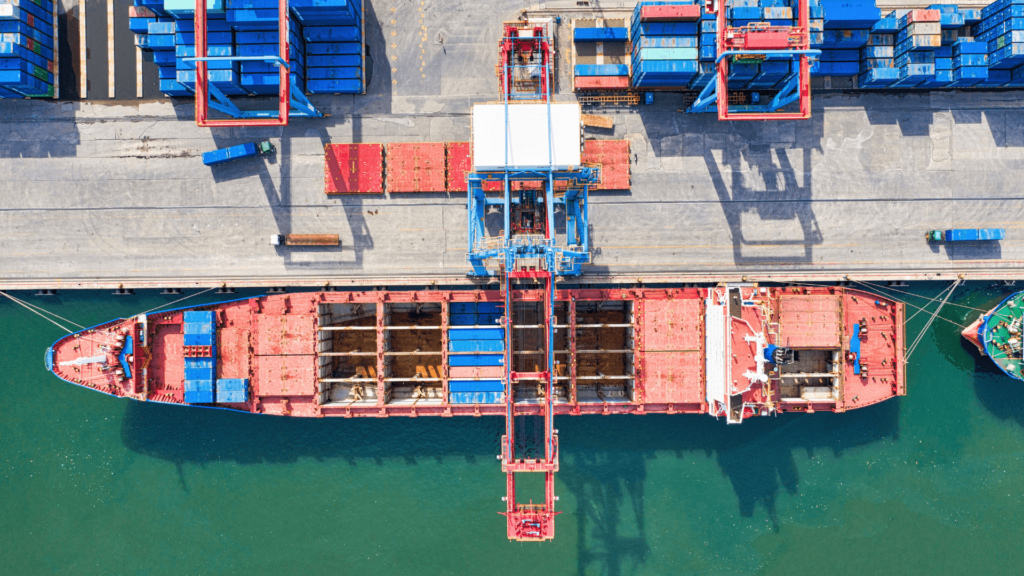
Many of these projects are part of Portos 5+, Portugal’s strategy for commercial ports between 2025 and 2035. The strategy focuses on investment, sustainability, better transport connections, digitalisation, automation and stronger integration between ports and the areas around them. The Portuguese Government has set an investment target of approximately €3.97 billion for mainland ports, combining public and private investment.
When a port becomes more efficient, companies around it can also benefit. Manufacturers can access international markets more easily, logistics companies can improve operations and better transport links can make a region more attractive to new investors. This is how Portugal infrastructure investment can support more than one sector at the same time.
Northern Portugal Shows How Business Ecosystems Can Grow
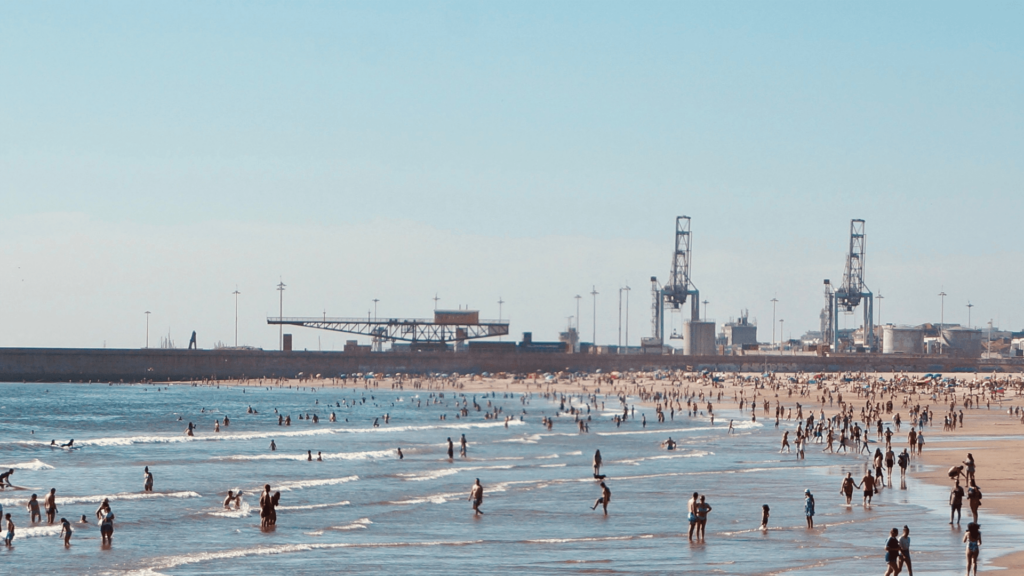
Northern Portugal is a particularly good example.The region already has a strong base in manufacturing, exports and international trade. Further investment in the Port of Leixões can reinforce that position. Greater container capacity, updated equipment and improved cargo handling can make import and export operations easier for companies in Porto and across the north.The impact extends beyond the port itself.
Manufacturers, distributors, food companies, exporters and logistics providers can all benefit from better connections to international markets.The Douro River adds another dimension to the region’s business ecosystem.
Investment in navigation infrastructure, quays and signalling can support river tourism and create wider opportunities for hotels, restaurants, transport companies, tour operators and businesses connected to the wine sector. This combination of logistics, industry, tourism and services is what makes infrastructure investment particularly relevant.
Better Infrastructure Can Make Portugal More Competitive
The main benefit is not simply greater port capacity. Better infrastructure can make it easier for companies to operate, move goods and reach customers. It can also help different regions develop around their own strengths.
Northern Portugal can reinforce its position in manufacturing, exports and logistics. The Douro can continue to grow around tourism, hospitality and wine. Other regions can develop around industrial activity, cruise tourism, maritime services or distribution.
This can create a more diversified business environment across Portugal. For companies considering investing in Portugal, location therefore becomes more than a question of taxes or property costs. Access to ports, transport connections, suppliers, workers and international markets can all influence where a business chooses to establish and expand.
Infrastructure Can Change Where Business Happens
For foreign companies, this is an important development to follow. Portugal is not simply upgrading ports and transport infrastructure. It is creating stronger connections between regions, industries and international markets.
Over time, these investments can influence where companies choose to operate, which sectors grow around them and how different parts of the country become more specialised.
That is the wider significance of Portugal’s current infrastructure investment: it can help shape new business ecosystems and change where economic activity develops.